

 (480) 788-5032
Maximize Productivity In The Hottest Work Environments for less than $1 dollar a day!
Uncategorized
 An evaporative cooler should bring immediate relief on hot days, especially in a dry climate like Arizona. When the air feels warm, humid, or barely cooler than the outdoor temperature, something in the system isn’t working the way it should. Understanding why an evaporative cooler is not cooling helps you troubleshoot the problem quickly and avoid unnecessary repairs or downtime.
Start With Airflow Problems
Airflow is the foundation of every swamp cooler. If the fan isn’t pushing enough air through the home, the entire system struggles. Blocked vents, worn belts, or a failing motor can all reduce output. Even partially closed windows can restrict airflow, since evaporative coolers rely on constant circulation. Opening the right windows—even just an inch or two—helps balance pressure and keep fresh air moving through the house.
Check the Condition of the Pads
Cooling pads do most of the heavy lifting. If they’re old, clogged with minerals, or dried out, the cooler can’t absorb enough water to create cold air. Pads should be replaced at least once a season in areas with hard water. When pads dry out between cycles, warm air slips through and weakens performance. If you’re noticing uneven cooling or hot spots, pad condition is usually the culprit.
Look for Evaporative Cooler Water Delivery Issues
If water isn’t flowing correctly, the cooler can’t cool effectively. Clogged water lines, faulty pumps, or misaligned distribution tubing can prevent pads from staying evenly saturated. This leaves parts of the pad dry and reduces overall evaporation. Checking the pump basket, ensuring lines are clear, and confirming the float valve is working properly keeps the entire water system balanced. In evaporative cooler not cooling situations, water flow issues are one of the most common causes.
Consider Outdoor Conditions
Evaporative coolers thrive in low humidity. On unusually humid days—or during storms—they naturally produce less cooling power. The system also works harder late in the season when temperatures stay high into the evening. In these cases, adjusting expectations is part of the process. Running the cooler earlier in the day, adding shade structures, or pairing evap cooling with ceiling fans can help maintain comfort.
Inspect for Mineral Buildup in Your Evaporative Cooler
Hard water is a constant challenge in Arizona. Minerals accumulate in pumps, pads, reservoirs, and distribution lines, reducing efficiency. Regular cleaning or using a purge pump reduces buildup and helps the cooler maintain consistent performance. Skipping seasonal maintenance usually shows up as reduced cooling output, even if the unit is relatively new.
An Evaporative Cooler That Works the Way It Should
When airflow, water delivery, pad condition, and maintenance all line up, an evaporative cooler can keep a home remarkably comfortable. A little troubleshooting restores performance quickly, and ongoing care ensures the system stays reliable through the hottest months.
 When an evaporative cooler starts to smell musty or loses punch on hot afternoons, the culprit is often the evaporative cooler pads. Pads aren’t just passive filters; they set airflow, water distribution, and air quality. Choosing the right media—and taking basic care of it—keeps your home cooler, cleaner, and easier to breathe.
Why Evaporative Cooler Pads Drive Performance
Air passes through wet evaporative cooler pads, where water evaporates and pulls heat from the airstream. If pads are clogged with dust or mineral scale, air can’t pass evenly, the pump works harder, and the unit runs longer for less cooling. Clean, well-fitted pads restore proper airflow and lower discharge temps without cranking up water use.
Aspen vs. Rigid: Picking the Right Pad Type
Aspen pads (shredded wood fiber) are inexpensive and cool efficiently when new, but they break down, shed fibers, and need frequent replacement. Rigid pads (cellulose or synthetic honeycomb) cost more up front but last longer, keep shape, and resist mold better. Many units accept both; others are designed for a specific media. Check thickness, frame style, and panel dimensions before you buy.
Odor Control Starts with the Pads
A “swampy” smell usually signals tired evaporative cooler pads or stagnant tank water. Replace worn media, flush the reservoir, and, if possible, use a purge pump or auto-drain to dump mineral-laden water at day’s end. Avoid strong fragrances or harsh chemicals that can corrode components; fresh water and clean pads solve most odor issues.
Water Quality, Distribution, and Pad Life
Hard water leaves scale that blocks pad pores. A simple inline filter or bleed-off kit reduces buildup and extends pad life. Make sure the distribution header wets pads evenly—streaks or dry bands mean uneven cooling and hot spots in the house. Re-level the unit and clear clogged distribution holes so the entire pad face stays uniformly wet.
Seasonal Schedule That Actually Works
At start-up: replace or deep-clean pads, scrub the pan, and check the pump, float, and belt tension. Mid-season: quick visual checks—if pad edges crumble or airflow drops, swap them. End-of-season: drain, clean, and dry the unit to prevent off-season mildew. With evaporative cooler pads on a predictable cycle, performance stays consistent through peak heat.
Get a quick quote for the right pad type and a maintenance plan that keeps your air clean and cool.
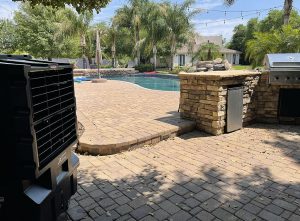 Evaporative coolers are unbeatable on dry Arizona days, but they live a tough life. Hard water leaves scale, long run times chew through bearings and pads, and a little neglect can snowball into noisy pumps, weak airflow, and higher electric bills. You don’t need a full overhaul to get better performance. A few small habits—matched to how desert water behaves—can stretch pump and pad life while keeping patios and garages cool when you actually need them.
Desert Water Reality: Why It Matters
The desert water reality is minerals. As water evaporates, calcium and salts stay behind, building a crust on pads, trays, and pumps. Scale blocks airflow, overheats motors, and makes pumps work harder to push the same volume. The fix isn’t “more water”—it’s cleaner water paths and regular purging so minerals leave the system before they harden.
Desert Water Reality: What Wears Out Pumps and Pads
Three culprits do most of the damage:
-
High mineral concentration: recirculating the same water concentrates scale.
-
Uneven wetting: dry pad corners reduce cooling and overheat the pump as flow chokes.
-
Sitting dirty: end-of-season water left in the pan cements scale and corrodes hardware.
Understanding these patterns makes maintenance targeted, not time-consuming.
Smarter Care That Extends Pump and Pad Life
-
Purge on a schedule: A bleed-off kit or periodic manual drain dumps mineral-heavy water before it cakes. Start with a brief purge weekly in peak season, then adjust based on visible buildup.
-
Check distribution: Lift the access panel and confirm even pad wetting. Clear clogged distribution holes with a soft brush; replace brittle tubing before summer.
-
Clean the pan, not just the pads: Sludge at the bottom is a scale factory. Rinse the pan, wipe the pump screen, and re-seat the float so water sits at the right level.
-
Right pad, right climate: Aspen pads are inexpensive and forgiving; cellulose and rigid media last longer and keep shape better but still need purging. Choose the material that fits your usage and budget, not just the lowest price.
Simple Water Choices That Help
-
Inline filters: A basic sediment filter reduces grit that clogs or scars the pump.
-
Bleed ratio over chemicals: Light, consistent bleed is more reliable than heavy “once-a-season” chemicals that don’t reach every surface.
-
Avoid softened water: It can increase corrosion; better to purge minerals than trade one problem for another.
When to Refresh vs. Replace
Replace pads when they feel brittle, smell musty even after cleaning, or show channels that won’t re-wet. Pumps that hum but don’t move water, or trip after warming up, are near the end. If the housing is solid and the motor is quiet, a fresh pump, tubing, and pads can make the unit feel new for a fraction of replacement cost.
A Quick Seasonal Checklist
Open, clean, purge, test flow, confirm even wetting, and set a calendar reminder to drain mid-season. Ten minutes now saves a motor later—and keeps the breeze strong when the thermometer hits triple digits. Request service if you’d like a start-up, mid-season purge, and shut-down bundled together.
 If your evaporative cooler is leaving white dust on furniture or airflow feels weaker than usual, mineral buildup may be the culprit. Arizona’s hard water contains calcium and other minerals that can quickly clog pads, reduce efficiency, and shorten the life of your system. Fortunately, a few preventive steps can help you beat evaporatiev cooler mineral buildup and keep your cooler running clean and strong all summer.
Evaporative Cooler Mineral Buildup – Why Calcium Buildup Happens
When water evaporates inside the cooler, minerals are left behind. Over time, these minerals collect on pads, trays, and pumps. Hard water areas like Phoenix and Scottsdale accelerate the problem, making regular care even more important.
Signs of Mineral Trouble
-
White dust or residue around vents
-
Pads that feel stiff, crusty, or brittle
-
Reduced cooling power despite normal fan speed
-
Strange odors from stagnant water or deposits
How to Prevent Buildup
-
Use quality water treatment: Tablets or conditioners help prevent calcium deposits and keep water moving freely.
-
Flush the system regularly: Drain and refill the reservoir every few weeks during heavy use to keep mineral concentration down.
-
Check the bleed-off valve: Some coolers include a continuous-drain option that removes a small amount of water to lower mineral content.
-
Maintain good water flow: Ensure pumps and lines are clear so water spreads evenly across pads.
Caring for Your Pads
Pads are the heart of the system. To maximize their lifespan:
-
Inspect pads at the start of each season for brittleness or heavy scaling.
-
Rinse lightly with a hose (avoid high pressure) to clear loose deposits.
-
Replace pads every 1–3 years depending on water quality and use.
Keep Your Evaporative Cooler in Top Shape
Consistent care of both water quality and pads makes a huge difference in cooling performance and indoor air quality. You’ll enjoy cooler air, fewer repairs, and a longer-lasting system.
Want a pro to give your cooler a seasonal checkup? Affordacool offers expert service to clean, maintain, and extend the life of your evaporative cooler. Request service today and enjoy a summer without calcium headaches.
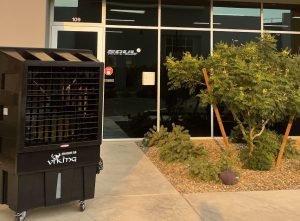 Arizona summers push cooling systems to the limit—and your electric bill right along with them. Evaporative coolers (“swamp coolers”) already save energy compared to traditional AC, but what if you could power them with the sun? Solar-powered evaporative coolers promise big savings, but are they really worth it for your home?
How Solar-Powered Evap Coolers Work
A solar-powered unit uses photovoltaic (PV) panels to generate the electricity that runs the cooler’s pump and fan. Some systems are fully solar, while others are hybrid: they rely on solar during the day but switch to grid power at night or on cloudy days.
The Benefits to Expect
-
Lower utility bills: By offsetting daytime operation with solar power, you reduce peak-hour electric use.
-
Eco-friendly: Solar power shrinks your carbon footprint and supports sustainable living.
-
Peak load relief: Running on solar eases strain on the grid during hot afternoons—when utility rates are highest.
-
Off-grid potential: With battery backup, you may keep cooling even during power outages.
What to Consider Before You Buy
-
Initial cost: Solar systems cost more upfront. Expect a higher price than standard evap coolers, though tax incentives may offset some of the expense.
-
Roof space and orientation: You’ll need adequate sunny roof area or ground-mounted panels for reliable generation.
-
Climate match: Evap coolers already work best in hot, dry climates—Arizona is a perfect fit. Add solar, and efficiency gains can be even stronger.
-
Maintenance: Both the cooler and solar panels require seasonal checks to stay efficient.
Are They Worth It?
For many Arizona homeowners, yes—especially if you run your cooler during the day when the sun is strongest. The energy savings and environmental benefits can outweigh the upfront investment within a few years, depending on usage and local utility rates. However, if you only use your cooler sparingly or your home has shaded roof space, the payoff may take longer.
If you’re weighing the switch, Affordacool can help assess your home’s layout, roof orientation, and cooling needs to determine if a solar-powered evaporative cooler makes sense for you. Schedule a quick consult and we’ll walk you through the numbers and option
 Evaporative coolers are an energy-efficient, affordable way to beat the heat—especially in dry climates like Arizona. But if you’re not using your cooler correctly, you could be missing out on its full potential. These common evaporative cooler mistakes can reduce performance, waste water, and even shorten the life of your unit.
Mistake #1: Using It in Humid Conditions
Evaporative coolers work by adding moisture to the air. That’s great in dry heat—but not when it’s humid. If the humidity rises, the cooler’s effectiveness drops. Check the forecast before running your unit, and consider turning it off on muggy days.
Mistake #2: Poor Airflow Management
Evaporative cooling relies on air exchange. If you don’t open a window or door to let stale air out, your space can become overly humid. Create a clear exit point for air to flow through and refresh the space.
Mistake #3: Letting Filters and Pads Get Dirty
Dust, pollen, and mineral buildup can clog your cooler’s filters and pads, reducing airflow and cooling capacity. Check pads regularly, especially during high-pollen seasons, and clean or replace them as needed.
Mistake #4: Not Using Cold Water
Coolers work best with cold water. Using warm water (like from a sun-heated hose) makes the process less effective. If possible, shade your water source or run the tap for a bit to flush warm water out before use.
Mistake #5: Running It Continuously Without Breaks
Running your evaporative cooler all day without rest can lead to excess wear on the motor and pump. Give your system breaks—especially during off-peak heat hours.
Preventing Evaporative Cooler Mistakes
Avoiding these evaporative cooler mistakes ensures better airflow, improved efficiency, and longer system life. A few simple habits can go a long way toward keeping your garage, workspace, or patio refreshingly cool—without overworking your equipment.
 Evaporative coolers are a smart and energy-efficient way to beat the heat, especially in dry climates like Arizona. But during spring and early summer—when pollen counts are high—these coolers need extra care. Proper maintenance during this time ensures both optimal cooling and better indoor air quality.
Here’s how to stay ahead of the pollen and keep your evaporative cooler running smoothly all season long.
Maintaining Evaporative Coolers – Why Pollen Affects Cooler Performance
Unlike traditional air conditioners, evaporative coolers pull fresh air from outside, passing it through wet cooling pads before blowing it indoors. While this natural process cools the air, it can also introduce pollen and other allergens into your home if not properly maintained.
Key Maintenance Tips for High-Pollen Times
-
Clean or Replace Pads Frequently
Cooling pads can trap pollen, dust, and debris. Rinse them out every few weeks—or replace them entirely if they start to degrade or develop mold. -
Check the Filter (If Installed)
Some units come with pre-filters that catch larger particles. If yours has one, clean it or swap it out regularly during pollen-heavy months. -
Flush the Water Reservoir
Pollen and sediment can accumulate in the bottom tray. Drain and rinse the reservoir at least once a month to prevent buildup. -
Seal Gaps and Openings
Ensure your cooler is properly sealed to avoid drawing in excessive outdoor debris through unintended cracks or leaks. -
Run a Fan After Cooling
Circulate air with a ceiling or box fan to prevent moisture and pollen buildup in one area.
Bonus Tip for Maintaining Evaporative Coolers: Consider Adding Indoor Plants
Plants like peace lilies or snake plants can help filter indoor air, working alongside your evaporative cooler to keep your space fresher.
Breathe Easier with Simple Maintenance
With regular upkeep, maintaining evaporative coolers during high-pollen seasons helps you stay comfortable while minimizing allergens indoors. A few small steps can go a long way in improving both your cooling system’s efficiency and your home’s air quality.
 Greenhouses allow gardeners and growers to extend growing seasons, protect sensitive plants, and create ideal microclimates. But in hot climates—especially in places like Arizona—greenhouses can easily become too hot for plants to survive. That’s where the right cooling solutions for greenhouses come into play.
At Affordacool, we offer efficient, cost-effective cooling systems designed to regulate greenhouse temperatures and keep your plants healthy year-round.
Cooling Solutions for Greenhouses – What to Know When Optimizing Greenhouse Climate
Why Greenhouses Overheat
By design, greenhouses trap solar radiation to create a warm, humid environment. But during hot days, especially in summer, this process can lead to dangerously high internal temperatures, causing:
-
Wilting
-
Slowed growth
-
Burned foliage
-
Reduced yield or plant death
To avoid this, temperature control is essential.
Top Cooling Solutions for Greenhouses
1. Evaporative Cooling Systems
Evaporative coolers are ideal for greenhouses because they reduce heat while increasing humidity—both of which benefit plant growth. As air passes through water-saturated pads, it cools before entering the greenhouse.
Benefits include:
-
Energy efficiency
-
Improved humidity control
-
Easy integration with existing systems
Affordacool’s portable evaporative coolers are perfect for small to mid-sized greenhouses needing mobile flexibility.
2. Ventilation and Air Circulation
Proper airflow is critical to prevent heat buildup. Combine roof vents, louvered side vents, and oscillating fans to move hot air out and bring cooler air in.
Pro tip: Pairing passive ventilation with an evaporative cooler creates a more balanced system.
3. Shade Cloth and UV Protection
Reducing the amount of direct sunlight through shade cloth or UV-filtering panels can drop interior temps by several degrees. This is a great supplemental measure in especially hot zones.
Choosing the Right System
The best cooling solution depends on your greenhouse size, plant type, and local climate. In the desert Southwest, a combination of evaporative cooling and ventilation often works best.
Keep Your Greenhouse Cool with Affordacool
At Affordacool, we offer a range of evaporative cooling systems designed with growers in mind. Our units are portable, energy-efficient, and built to handle even the toughest summer heat.
Contact us today to find the ideal greenhouse cooling solution for your space and protect your plants all season long.
Choosing the right cooling system for your home or business is essential for comfort and efficiency. When comparing evaporative coolers vs. traditional AC, it’s important to understand how they function, their benefits, and which is best suited for your climate.
How Evaporative Coolers and Traditional AC Units Work
The Science Behind Evaporative Coolers
Evaporative coolers, also known as swamp coolers, use the natural process of evaporation to cool the air. Warm outdoor air passes through water-saturated pads, which absorb heat and produce cooler, humidified air. This method is energy-efficient and works best in dry climates.
How Traditional AC Systems Operate
Traditional air conditioners use refrigerants and compressors to cool and dehumidify indoor air. These systems extract heat from the air and release it outdoors, maintaining a consistent and controlled temperature. While they provide powerful cooling, they consume more electricity than evaporative coolers.
Comparing Efficiency and Cost
Energy Consumption and Operating Costs
When evaluating evaporative coolers vs. traditional AC, energy efficiency is a key factor. Evaporative coolers use significantly less electricity because they rely on water evaporation rather than a compressor. This results in lower utility bills, making them a cost-effective choice in suitable climates.
Installation and Maintenance
Evaporative coolers are generally easier and less expensive to install than traditional AC units. They require a steady water supply and regular maintenance to prevent mold or mineral buildup. Traditional AC units, on the other hand, need professional installation and periodic servicing, including refrigerant refills and filter replacements.
Climate Considerations: Which System Works Best?
Evaporative coolers are most effective in hot, dry climates where humidity levels are low. They add moisture to the air, improving indoor comfort in arid regions. Traditional AC units, however, are better suited for humid areas where dehumidification is necessary to maintain indoor air quality.
Making the Right Choice
If you live in a dry climate and want an energy-efficient, eco-friendly cooling solution, an evaporative cooler may be the best option. However, for those in humid areas or who require precise temperature control, a traditional AC unit is the better choice.
Understanding the differences between evaporative coolers vs. traditional AC ensures you make an informed decision based on your cooling needs, climate, and budget.
Keeping a large workshop or warehouse cool can be challenging, especially in hot climates. Without proper cooling solutions, excessive heat can lead to worker discomfort, decreased productivity, and even equipment malfunctions. Investing in the right cooling system ensures a comfortable and efficient workspace.
Evaporative Coolers: Cost-Effective and Efficient Cooling Solutions
Evaporative coolers, also known as swamp coolers, are one of the most effective cooling solutions for large spaces. They use water evaporation to cool the air, making them energy-efficient and environmentally friendly. Unlike traditional air conditioning units, evaporative coolers add moisture to the air, reducing dryness while maintaining comfortable temperatures. They are particularly effective in dry climates, making them a great choice for warehouses and workshops in hot regions.
Industrial Fans and Ventilation Systems
Proper airflow is crucial for cooling large workspaces. High-powered industrial fans help circulate air and distribute cool air more effectively. Ceiling fans, floor fans, and wall-mounted fans can enhance air movement and create a more comfortable environment. Additionally, ventilation systems that remove hot air and bring in fresh air help regulate indoor temperatures and improve air quality.
Portable and Spot Cooling Solutions
For targeted cooling, portable air conditioning units and spot coolers are excellent options. These systems allow for cooling specific areas within a large warehouse or workshop, reducing energy waste and providing comfort where it’s needed most. Spot coolers are particularly useful for workstations, machinery, or heat-sensitive areas.
Insulation and Reflective Barriers
Another effective way to keep a workspace cool is by improving insulation and using reflective barriers. Proper insulation helps maintain indoor temperatures by preventing heat transfer from the outside. Reflective roof coatings and window films can also reduce heat absorption, keeping the workspace naturally cooler.
By implementing the right cooling solutions, large workshops and warehouses can maintain comfortable working conditions, enhance productivity, and protect equipment from overheating. Whether using evaporative coolers, fans, or insulation, choosing the right cooling method makes all the difference in managing workplace temperatures efficiently.
 During the summer months, garages can become unbearably hot, making it difficult to work, store temperature-sensitive items, or even park your car comfortably. Traditional air conditioning units can be costly and inefficient in such a space, but evaporative cooling offers an effective, energy-efficient solution.
How Evaporative Cooling Works
Evaporative coolers, also known as swamp coolers, use the natural process of water evaporation to cool the air. These systems draw warm air through water-saturated pads, reducing the air temperature before circulating it throughout the space. Unlike traditional air conditioning, evaporative cooling works best in dry climates, making it an ideal option for garages in hot, arid regions.
Benefits of Using Evaporative Cooling for Your Garage
- Energy Efficiency – Evaporative coolers use significantly less energy compared to traditional air conditioners, reducing your overall electricity costs.
- Eco-Friendly Cooling – Since these systems rely on water evaporation rather than refrigerants, they have a much lower environmental impact.
- Improved Air Quality – Evaporative cooling adds moisture to the air, reducing dryness and filtering out dust and pollutants, creating a healthier environment in your garage.
- Cost-Effective Installation – Evaporative coolers are often more affordable to purchase and install compared to conventional HVAC systems.
Tips for Maximizing Evaporative Cooling Efficiency in Your Garage
- Ensure Proper Ventilation – Keep garage doors or windows slightly open to allow for adequate air circulation.
- Use Insulation – Adding insulation to your garage walls and doors can help maintain cooler temperatures longer.
- Regular Maintenance – Clean the cooling pads and replace them as needed to ensure optimal performance.
- Strategic Placement – Position your evaporative cooler near an open area where it can draw in fresh air efficiently.
Make Your Garage a Comfortable Space This Summer
With evaporative cooling, you can transform your hot garage into a comfortable and usable space without the high energy costs of traditional air conditioning. Whether you use your garage as a workshop, storage space, or home gym, evaporative cooling provides an efficient and eco-friendly way to beat the summer heat. Invest in a quality evaporative cooler today and enjoy a cooler, more comfortable garage all season long.
 Maintaining optimal temperatures in agricultural environments is crucial for the health and productivity of livestock. Evaporative coolers, also known as swamp coolers, offer an efficient and cost-effective solution for cooling in these settings.
Understanding Evaporative Cooling
Evaporative coolers work by drawing warm air through water-saturated pads, causing the water to evaporate and cool the air. This cooled air is then circulated throughout the area, reducing ambient temperatures. This method is particularly effective in dry climates, making it suitable for regions like Arizona.
Benefits for Livestock and Agriculture
- Improved Animal Comfort: High temperatures can cause heat stress in livestock, leading to decreased feed intake and productivity. Evaporative coolers help maintain a comfortable environment, promoting animal well-being.
- Enhanced Productivity: By reducing heat stress, livestock are more likely to maintain optimal growth rates and milk production, directly impacting farm profitability.
- Energy Efficiency: Evaporative coolers consume less energy compared to traditional air conditioning systems, resulting in lower operational costs.
Implementing Evaporative Coolers in Agricultural Settings
- Assess the Environment: Evaluate the size of the area and the number of animals to determine the cooling capacity required.
- Select Appropriate Units: Choose evaporative coolers designed for agricultural use, ensuring they are robust and capable of handling the environmental conditions.
- Strategic Placement: Install coolers in locations that allow for optimal airflow distribution, such as near animal resting areas or feeding zones.
- Regular Maintenance: Maintain the coolers by cleaning the pads, checking water levels, and ensuring fans are functioning properly to sustain efficiency.
Considerations
- Humidity Levels: Evaporative cooling is most effective in low-humidity environments. In areas with higher humidity, the cooling effect may be reduced.
- Ventilation: Adequate ventilation is essential to prevent the buildup of moisture, which can lead to respiratory issues in livestock.
Incorporating evaporative coolers into your agricultural operations can significantly enhance livestock comfort and productivity. By understanding the principles of evaporative cooling and implementing best practices, farmers can create a more conducive environment for their animals, leading to improved overall farm performance. Contact Affordacool to learn more about how you can incorporate portable evaporative coolers in your livestock management and care.
 Choosing the right portable evaporative cooler can make a big difference in how effectively you cool your space. With various models on the market, knowing what to look for can help you make an informed decision. Below, we take a closer look at the key factors to consider when buying a portable evaporative cooler.
Buying a Portable Evaporative Cooler – What to Look For
1. Cooling Capacity (CFM)
One of the most important factors to consider is the cooler’s cooling capacity, measured in cubic feet per minute (CFM). The higher the CFM, the larger the area the cooler can effectively cool. As a rule of thumb, choose a cooler with a CFM rating that’s approximately 20-40 times the square footage of your space.
Tip: For a 500-square-foot room, look for a cooler with a CFM of around 10,000 to ensure optimal cooling.
2. Water Tank Size and Refill Options
Portable evaporative coolers use water to create cool air, so the size of the water tank is an important consideration. A larger tank means longer cooling times between refills, which is especially useful in commercial settings or larger spaces. Some models offer continuous water connection options, which eliminate the need for manual refills.
Tip: Look for models with easy-access refill systems or automatic water level indicators for added convenience.
3. Energy Efficiency and Power Consumption
One of the main advantages of evaporative coolers is their energy efficiency. When shopping for a portable unit, check the power consumption ratings to ensure it aligns with your energy-saving goals. Look for models with energy-efficient settings such as variable fan speeds and eco-modes.
Tip: Choose models with programmable timers to automatically shut off the cooler, further reducing energy usage.
4. Portability and Design Features
Since portability is a key advantage, consider the cooler’s size, weight, and ease of mobility. Look for models with durable caster wheels, handles, and lightweight construction for easy movement between rooms or outdoor areas. A sleek, compact design can also blend seamlessly with your home or office decor.
Tip: Ensure the cooler is compact enough to fit your space without compromising on cooling power.
5. Maintenance and Filter Options
Maintenance is essential to keep your cooler running efficiently. Look for models with washable or replaceable filters that are easy to access and clean. Regular maintenance helps maintain air quality and prolongs the life of the unit.
Tip: Opt for units with maintenance reminders or easy-clean filter designs for hassle-free upkeep.
For further assistance selecting the ideal portable evaporative cooler to suit your needs and budget, contact Affordacool to receive professional advice and tips in choosing your perfect portable evaporative cooler
 Selecting the right size evaporative cooler is essential for ensuring comfortable, efficient cooling. The right cooler will keep your space at an ideal temperature without wasting energy. Here’s what you need to know when choosing the correct size evaporative cooler for your home or business.
How to Choose the Right Size Evaporative Cooler for Your Needs
1. Calculate Your Space’s Square Footage
The first step in selecting the right cooler is measuring your space. Multiply the room’s length by its width to find the square footage. For open commercial spaces, you may need to calculate multiple areas individually and add them together. Having an accurate square footage calculation is critical for finding a cooler with the correct cooling capacity.
Tip: For high-ceilinged spaces, consider adjusting your estimate by adding about 20% more cooling power to account for the extra air volume.
2. Understand CFM (Cubic Feet per Minute) Ratings
CFM (Cubic Feet per Minute) is the standard measure of an evaporative cooler’s airflow capacity. Higher CFM ratings mean the cooler can handle larger spaces, while lower CFM ratings are suitable for smaller areas. As a general guideline, aim for a cooler with a CFM rating that’s 20-40 times your space’s square footage.
Example: A 500-square-foot room would require a cooler with at least 10,000 CFM for optimal performance.
3. Consider Climate and Humidity
Evaporative coolers work best in hot, dry climates where humidity levels are low. In such environments, they deliver efficient, natural cooling without overloading the system. If your location experiences seasonal humidity, you might need a more powerful cooler to offset the loss of efficiency in higher moisture conditions.
Tip: Portable models with variable fan speeds can help you adjust cooling intensity to compensate for changing humidity levels.
4. Evaluate Portability and Placement Options
For commercial settings or larger residential spaces, portable evaporative coolers offer the flexibility to move units as needed. Some units are designed to be compact and lightweight, making them easy to relocate and place near high-traffic or high-activity areas. Proper placement is key to achieving uniform cooling across your space.
Tip: For open spaces, place the cooler at a central location, or in the direction of airflow, to maximize reach and effectiveness.
Choosing the right size evaporative cooler for your space is crucial for achieving consistent, energy-efficient cooling. By assessing your space, CFM requirements, climate, and portability needs, you can make an informed decision that ensures effective and comfortable cooling. Contact us today to explore our range of evaporative coolers tailored for both residential and commercial needs.
 Incorporating smart technology into your evaporative cooler can significantly enhance its efficiency and performance. Modern advancements in smart technology offer more control, better energy management, and improved comfort. Here’s how you can leverage smart tech to get the most out of your evaporative cooler:
1. Smart Thermostats and Temperature Controls
Smart thermostats can be integrated with your evaporative cooler to optimize temperature control and reduce energy consumption. These devices allow you to set precise temperature targets and adjust settings remotely through smartphone apps. They also learn your cooling preferences and adjust automatically based on your routine, ensuring a comfortable environment while minimizing energy usage.
Tip: Choose a smart thermostat that is compatible with your evaporative cooler model and offers features like scheduling and remote control for maximum efficiency.
2. Wi-Fi and App Connectivity
Many modern evaporative coolers come with built-in Wi-Fi and app connectivity. This feature allows you to control your cooler from anywhere using your smartphone. You can adjust settings, set timers, and monitor performance in real-time, providing convenience and ensuring that your cooler operates efficiently even when you’re not at home.
Tip: Look for coolers with user-friendly apps that offer intuitive controls and easy access to performance data.
3. Automated Maintenance Alerts
Smart evaporative coolers can send automated maintenance alerts to your smartphone, notifying you when it’s time to clean filters, check water levels, or perform other routine tasks. These alerts help maintain peak performance and extend the lifespan of your cooler by ensuring that it is always in top working condition.
Tip: Opt for a model with comprehensive maintenance tracking features to stay on top of necessary upkeep and prevent performance issues.
4. Energy-Efficient Modes and Customization
Advanced evaporative coolers with smart technology often include energy-efficient modes and customizable settings that allow you to optimize cooling based on your needs. Features like eco-friendly modes and adjustable fan speeds help reduce energy consumption while still providing effective cooling.
Tip: Explore the different modes available and customize settings based on your usage patterns to achieve the best balance between comfort and efficiency.
5. Integration with Home Automation Systems
For a truly seamless experience, integrate your evaporative cooler with a home automation system. This allows your cooler to work in harmony with other smart devices in your home, such as lighting and blinds, to create an optimal cooling environment. Automation systems can also help you monitor and adjust energy usage across multiple devices.
Tip: Ensure that your evaporative cooler is compatible with popular home automation platforms like Google Home or Amazon Alexa for smooth integration.
By leveraging smart technology, you can significantly enhance the efficiency and convenience of your evaporative cooler. These advancements not only provide better control and customization but also contribute to energy savings and improved comfort. Explore the latest smart evaporative coolers at [Company Name] to find the perfect solution for your needs.
 When it comes to keeping your home or office cool, the two most common options are evaporative coolers and air conditioners. Both have their own set of advantages and drawbacks and choosing the right one depends on your specific needs and environment. Here’s a breakdown of the key differences to help you decide.
Evaporative Coolers vs. Air Conditioners
1. Cooling Method and Efficiency
Evaporative coolers, also known as swamp coolers, work by pulling warm air through water-soaked pads, cooling the air through evaporation before circulating it throughout the space. This method is particularly effective in dry climates, as it not only cools but also adds moisture to the air. Air conditioners, on the other hand, use refrigerants to absorb heat from the air and then expel it outside, recirculating cooled, dry air back into the room.
Tip: If you live in a hot, dry climate, an evaporative cooler is likely more efficient and cost-effective. In humid climates, however, air conditioners generally perform better.
2. Cost and Energy Consumption
One of the most significant advantages of evaporative coolers is their lower cost—both in terms of initial purchase price and ongoing energy consumption. They use significantly less electricity compared to air conditioners, making them a more budget-friendly option. Air conditioners, while more expensive to purchase and operate, offer more precise temperature control and can be used in any climate.
Tip: For those looking to reduce energy bills or minimize their environmental footprint, evaporative coolers are an excellent choice, especially in regions where electricity costs are high.
3. Air Quality and Comfort
Evaporative coolers are great for improving indoor air quality, as they constantly circulate fresh air from outside and naturally humidify it. This is beneficial in arid regions where dry air can cause discomfort and respiratory issues. Air conditioners, however, dehumidify the air, which can be advantageous in humid climates but may lead to dry indoor environments.
Tip: If you’re concerned about air quality or suffer from dry skin and respiratory issues, an evaporative cooler may be the better option. If you prefer a cooler, drier indoor environment, an air conditioner is likely a better fit.
Both evaporative coolers and air conditioners have their strengths, and the right choice depends on your specific climate, budget, and cooling needs. By understanding these differences, you can make an informed decision that ensures optimal comfort and energy efficiency in your space.
Modern evaporative coolers have come a long way from their basic origins. Today’s units boast a variety of innovative features that enhance both cooling performance and user convenience. If you’re in the market for a new evaporative cooler, here are some cutting-edge features to look for:
1. Advanced Airflow Control
One of the most significant improvements in modern evaporative coolers is the ability to control airflow more precisely. Look for models that offer multiple fan speeds, oscillating louvers, and adjustable vents. These features allow you to direct the cool air exactly where it’s needed, ensuring uniform cooling throughout your space.
2. Smart Connectivity
In the age of smart homes, having a cooler that integrates with your existing technology is a big plus. Many modern evaporative coolers come equipped with Wi-Fi connectivity and can be controlled via smartphone apps or voice-activated assistants like Amazon Alexa or Google Home. This allows you to adjust settings, set timers, and monitor performance from anywhere.
3. Energy Efficiency Settings
Energy efficiency is a critical consideration for both residential and commercial users. Modern evaporative coolers often feature energy-saving modes, programmable timers, and eco-friendly settings that reduce water and electricity consumption without compromising performance. These options not only save money but also minimize environmental impact.
4. Enhanced Water Management Systems
A common challenge with evaporative coolers is maintaining optimal water levels. Innovative models now come with advanced water management systems, including automatic refills, low water indicators, and even systems that recycle water within the unit to maximize efficiency. These features reduce maintenance needs and ensure consistent cooling.
5. Air Purification Capabilities
Beyond cooling, many modern evaporative coolers offer built-in air purification systems. Features such as HEPA filters, ionizers, and UV light can remove dust, allergens, and bacteria from the air, providing cleaner, healthier indoor environments. This dual function is particularly beneficial for homes and businesses in areas with poor air quality.
When shopping for an evaporative cooler, these innovative features can significantly enhance your cooling experience. Whether you need improved energy efficiency, smart home integration, or enhanced air quality, modern evaporative coolers offer a range of options to meet your needs.
Living or working in a dry climate presents unique challenges, especially when it comes to keeping indoor spaces comfortably cool without breaking the bank. This is where evaporative coolers, also known as swamp coolers, shine. Unlike traditional air conditioners that struggle in arid conditions, evaporative coolers offer a cost-effective and energy-efficient cooling solution that not only cools the air but also adds moisture, making them perfect for dry climates.
1. How Evaporative Coolers Work
Evaporative coolers operate on a simple principle: they use the natural process of water evaporation to cool the air. A pump circulates water from a reservoir onto cooling pads, where air from outside is drawn through. The water evaporates into the air, significantly lowering its temperature. This cooled air is then circulated into the indoor space, creating a refreshing and comfortable environment.
2. Efficiency in Dry Conditions
Unlike traditional air conditioners that require closed environments to effectively cool air, evaporative coolers perform best in dry conditions. In fact, the drier the air, the more efficient these coolers become. This makes them particularly suitable for regions with low humidity levels, where traditional AC units struggle to operate efficiently and consume more energy.
3. Cost-Effectiveness and Eco-Friendliness
Evaporative coolers are not only efficient but also cost-effective. They typically use up to 75% less electricity compared to air conditioners, which can lead to substantial savings on energy bills, especially during hot summer months. Additionally, they consume less water than you might expect, as the water used primarily evaporates into the air or is recycled through the system.
Ideal for Residential and Commercial Use
Whether you’re looking to cool a small apartment or a large office space, evaporative coolers are versatile enough to meet various cooling needs. They come in portable units for residential use or larger, ducted systems for commercial applications, offering flexibility and scalability without compromising on efficiency.
In dry climates, where traditional air conditioning systems struggle with efficiency and cost, evaporative coolers offer a compelling alternative. Their ability to cool effectively while adding moisture to the air makes them an ideal choice for anyone looking to stay cool and comfortable without the hefty energy bills. Consider investing in an evaporative cooler for your home or business to experience efficient, eco-friendly cooling tailored to dry climates.
Whether you’re in a desert region or simply facing a dry spell, evaporative coolers prove that innovation in cooling technology can align perfectly with environmental sustainability and cost-effectiveness. Discover the benefits firsthand and enjoy a cooler, more comfortable indoor environment year-round.
Commercial portable evaporative coolers are invaluable for providing efficient and eco-friendly cooling in various business settings. To ensure they operate at peak performance and enjoy a long service life, regular maintenance and proper care are essential. Here are some crucial tips to help you keep your commercial portable evaporative cooler in top shape.
Regular Cleaning
- Clean the Water Tank and Reservoir: Regularly cleaning the water tank and reservoir is fundamental. Stagnant water can lead to mineral build-up and microbial growth, which can hamper the cooler’s efficiency and potentially cause health issues. Empty and scrub the tank and reservoir with a mild detergent at least once a month.
- Clean or Replace Cooling Pads: Cooling pads are vital components that facilitate the evaporation process. Over time, they can become clogged with dust and minerals. Clean the pads every two weeks during heavy use. If the pads show signs of wear or are significantly clogged, replace them to maintain optimal cooling performance.
Check and Maintain the Pump
- Inspect the Pump Regularly: The pump ensures water flows smoothly over the cooling pads. Regularly inspect the pump to ensure it’s working correctly and not clogged. Clean any debris or mineral deposits from the pump and its components. If the pump appears to be malfunctioning, consider replacing it to prevent further issues.
Ensure Proper Airflow
- Keep Air Vents Clean: Airflow is crucial for evaporative cooling efficiency. Check and clean the air vents regularly to prevent dust and debris from obstructing the flow. This not only helps maintain cooling performance but also extends the life of the cooler.
- Monitor Air Circulation: Ensure the cooler is placed in a location with good air circulation. Avoid placing it in enclosed spaces or near walls that can obstruct airflow. Good ventilation allows the cooler to draw in fresh air and expel humid air effectively.
Regular Maintenance Checks
- Schedule Routine Inspections: Conduct routine inspections of the cooler’s components, including the motor, fan, and water distribution system. Look for signs of wear and tear, and address any issues promptly to prevent more significant problems.
- Winterize Your Cooler: If you’re in an area with cold winters, winterize your cooler at the end of the cooling season. Drain all water, clean the unit thoroughly, and store it in a dry place to prevent damage from freezing temperatures.
Regular maintenance and care for your commercial portable evaporative cooler can significantly enhance its performance and longevity. By following these simple yet effective tips, you can ensure your cooler provides reliable and efficient cooling for years to come. Always refer to your cooler’s user manual for specific maintenance guidelines and consult a professional if you encounter any complex issues. By investing a little time and effort into maintaining your evaporative cooler, you can enjoy its benefits while keeping operational costs low and extending its lifespan. Keep your business cool and comfortable with these straightforward maintenance practices.
 One of the most essential components of workplace safety in the manufacturing industry is maintaining optimal working conditions. Safe and comfortable working conditions enhance productivity and the well-being of employees. As temperatures soar, particularly during the warm summer months, traditional cooling systems might struggle to keep up, leading to discomfort and potential operational setbacks. Fortunately, there is an economical and scalable option for the manufacturing industry – evaporative cooling – an innovative and energy-efficient approach to battling heat in industrial settings.
Efficient Cooling for Maximum Productivity
Evaporative coolers, sometimes called swamp coolers, redefine the cooling game by harnessing the power of evaporation. Unlike their refrigerant-based counterparts, these systems pull in warm air from the environment and pass it through water-soaked pads. The magic happens as the water evaporates, significantly reducing the air temperature before being released back into the workspace. In manufacturing settings, where precision and efficiency are paramount, this method proves invaluable.
Why Evaporative Cooling Stands Out in Industrial Settings
- Energy Efficiency: In the competitive landscape of manufacturing, every bit of energy conservation matters. Evaporative coolers can slash temperatures by 20-30 degrees Fahrenheit without guzzling electricity, making them an eco-conscious choice that doesn’t compromise on performance.
- Air Quality Matters: Beyond mere cooling, these systems contribute to a healthier working environment. Evaporative coolers act as natural air purifiers, filtering out dust, pollen, and other particles. This is especially crucial in manufacturing, where maintaining air quality is essential.
- Eco-Friendly Solutions: The manufacturing sector is increasingly embracing sustainability, and evaporative coolers align with this green ethos. These systems use less water and electricity compared to traditional air conditioners, and they steer clear of chemical-laden refrigerants.
- Adaptability and Easy Integration: Industrial spaces vary widely, and so do the cooling requirements. Evaporative coolers come in diverse sizes and designs, ensuring a seamless fit for any manufacturing environment. Their portability and ease of installation add to their appeal, allowing for quick adjustments to meet evolving operational needs.
The fast-paced manufacturing industry demands precision and efficiency and, by leveraging the benefits of evaporative cooling. In the realm of manufacturing, where precision and efficiency reign supreme, Evaporative Cooling emerges as an unsung hero. Its blend of energy efficiency, air quality enhancement, and adaptability make it a compelling solution for keeping cool under the industrial sun.
In the world of manufacturing, where operational excellence is paramount, Evaporative Cooling stands as a game-changer. Its blend of energy efficiency, air quality enhancement, and adaptability make it a compelling solution for keeping cool under the industrial sun. As your manufacturing space evolves, consider the transformative impact of evaporative cooling – your ally in balancing productivity and employee well-being.
Ready to revolutionize your manufacturing climate? Contact Affordacool today!